
Dry Eyes Treatment
Serving Sunset Park, Brooklyn | Flushing and Long Island City, Queens
If dry eyes feel irritating, painful, or blur your vision, see the experts at NY Partners Ophthalmology. Sophia Siu, MD, and the team use the latest technological advances to provide superior, long-lasting dry eye relief for patients throughout New York City.
Understanding Dry Eye Disease
Genetic conditions and environmental factors can cause dry eyes, which may feel crippling when left unaddressed. Your eyes depend on a stable tear film made up of three layers (oil, water, and mucus) to stay comfortable and see clearly. When any part of that system breaks down, dry eye disease sets in. You might feel as though you have something in your eyes when you don't, or experience blurry vision while reading, watching television, driving, or looking at a computer. Dry eye symptoms range from mild to severe.
Dry Eye Symptoms
A stinging, burning, or scratchy sensation
A gritty feeling, as if something is in your eye
Strings of mucus in or around your eyes
Sensitivity to light
Red or irritated eyes
Difficulty wearing contact lenses
Blurred vision or eye fatigue
Watery eyes (a reflex response to dryness)
Dry Eye Risk Factors
The cause isn't always clear, and multiple risk factors can contribute to dry eyes. Common risk factors include:
Age:
Dry eye becomes more common after age 50, as tear production naturally decreases
Gender:
Women are more likely to develop dry eyes due to hormonal changes during pregnancy, use of oral contraceptives, and menopause
Environment:
Wind, dry air, smoke, and prolonged screen time can all increase tear evaporation
Medications:
Antihistamines, decongestants, blood pressure medications, antidepressants, and certain glaucoma medications can reduce tear production
Contact lens use:
Women are more likely to develop dry eyes due to hormonal changes during pregnancy, use of oral contraceptives, and menopause
Medical conditions:
Diabetes, thyroid disease, lupus, rheumatoid arthritis, and Sjögren's syndrome are all associated with dry eye
How We Diagnose Dry Eyes
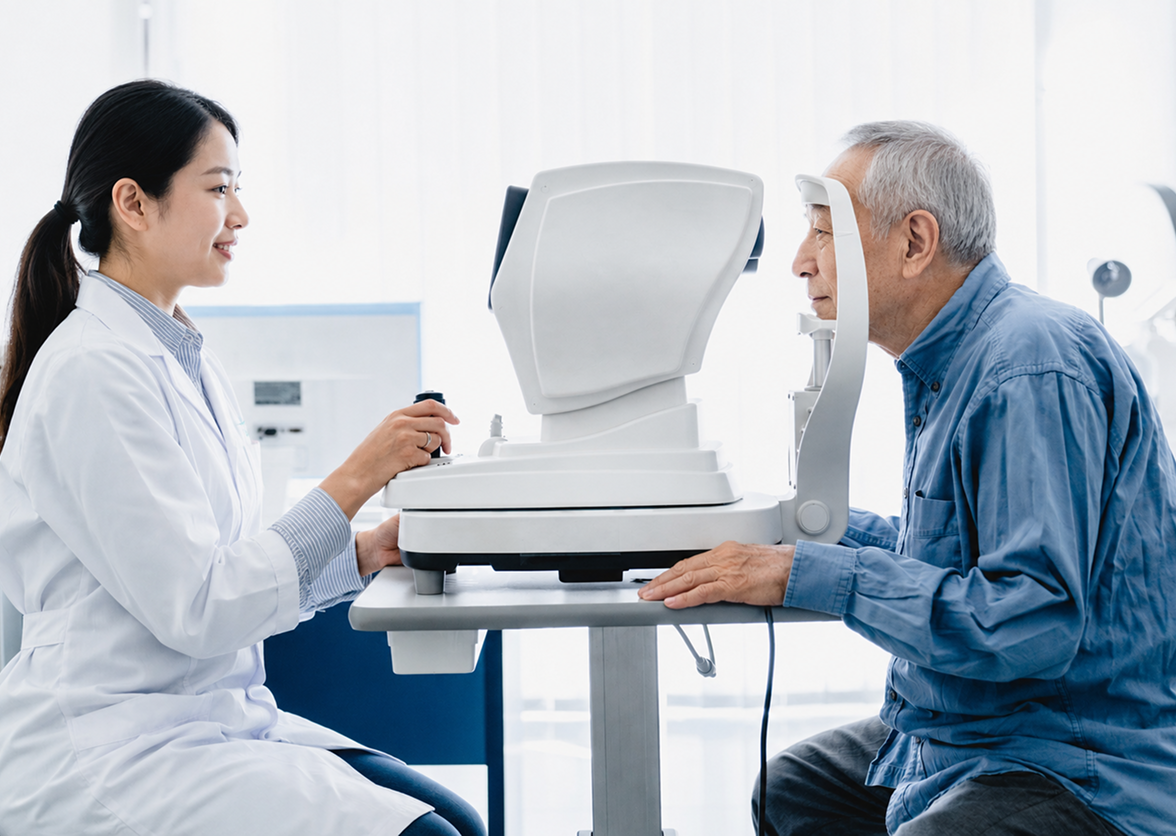
The NY Partners Ophthalmology team diagnoses dry eyes after reviewing your symptoms, eye health history, and medical history. They complete vision testing, a comprehensive eye exam, and diagnostic tests that may include blood tests, a tear breakup time (TBUT) test, Schirmer's test to measure tear volume, and meibomian gland imaging to evaluate oil gland function and structure.
Dry Eyes Treatment Options
Treatment is tailored to the type and severity of your dry eye. Options available at NY Partners Ophthalmology include:
Artificial tears and lubricating eye drops for mild-to-moderate symptoms
Prescription eye drops such as cyclosporine (Restasis) or lifitegrast (Xiidra) to reduce inflammation and increase tear production
OptiLight IPL by Lumenis: the only FDA-approved intense pulsed light treatment for dry eye management, targeting inflammation at the root cause
Punctal plugs to conserve tears by slowing drainage
Lifestyle modifications, including dietary changes, humidifier use, and reduced screen time
NY Partners Ophthalmology serves patients across Flushing, Queens; Sunset Park, Brooklyn; and Long Island City. Our team speaks Spanish, Mandarin, Korean, Cantonese, and Fuzhounese, and we accept most major insurance plans.
Request an Appointment